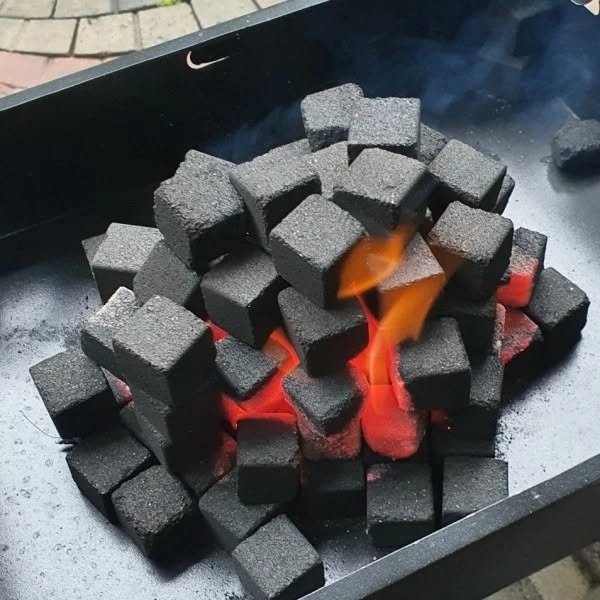
Coconut shell and sawdust briquette look nearly identical on a shelf — same cube or hexagonal shape, same dark grey-black color — but they're made from different waste streams with genuinely different burn characteristics, and the difference matters more once a buyer is filling a container rather than a sample box.
Where the raw material comes from
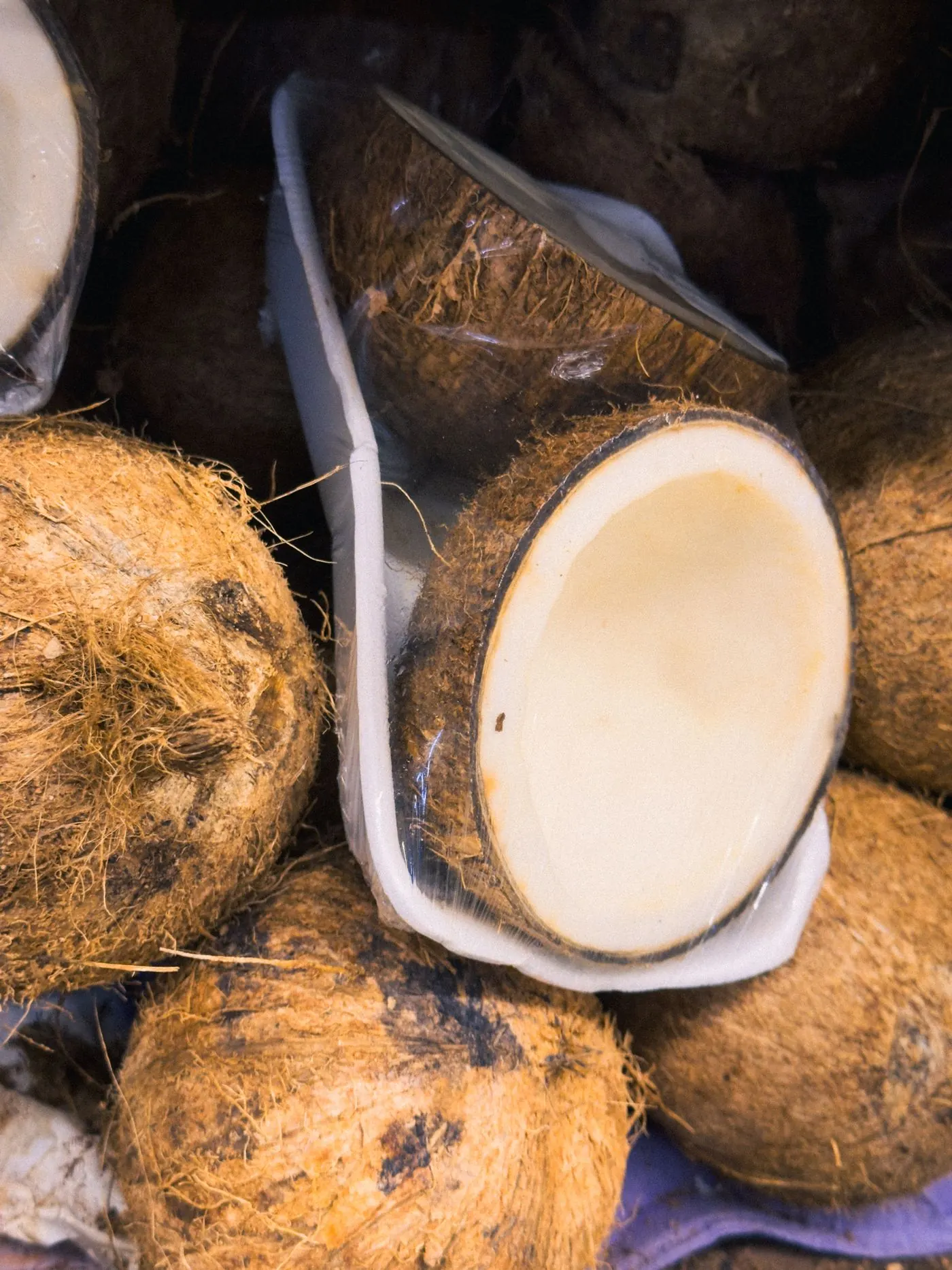
Coconut shell briquette is made from the hard shell left over after coconut meat, oil, and water are extracted — a byproduct of food and cosmetic-oil processing. Sawdust briquette is made from compressed wood waste, typically offcuts from sawmills or furniture manufacturing. Both are legitimately byproduct-based rather than purpose-grown, but coconut shell tends to carry a cleaner sustainability story in markets where deforestation-linked wood sourcing is a live concern for buyers.
Burn time and heat output
- Coconut shell briquette typically runs a higher calorific value (6,500–7,500 kcal/kg) and burns longer per unit than sawdust briquette
- Sawdust briquette generally has a lower fixed-carbon content and burns faster, which suits some grilling use cases but means more frequent restocking for extended sessions
- Coconut shell ash tends to be finer and lower in volume — a factor that matters directly to shisha lounges managing cleanup between customers
Cost and availability
Sawdust briquette raw material is generally more available and lower-cost in regions with active timber or furniture industries, which is why it dominates some domestic and regional markets. Coconut shell supply is tied to coconut-growing regions specifically — Indonesia, the Philippines, and parts of India and Sri Lanka — making it a more specialized, export-oriented category rather than a commodity available everywhere.
Which one a buyer should choose
For shisha-grade charcoal specifically, coconut shell is the near-universal standard across Gulf markets because burn consistency and low odor outweigh the cost difference. For general grilling or industrial fuel use where cost per kilogram matters more than burn refinement, sawdust briquette is a legitimate and often more economical choice — the right answer depends on the end use, not on which one markets itself as more premium.
See Nusawara's coconut charcoal briquette line