Virgin Coconut Oil (VCO) and RBD (Refined, Bleached, Deodorized) coconut oil are processed from the same raw material through entirely different methods, aimed at entirely different buyer categories. Specifying "coconut oil" in a purchase order without indicating which one you need is one of the fastest ways to receive a product that's technically correct but commercially wrong for your application.
How they're actually made
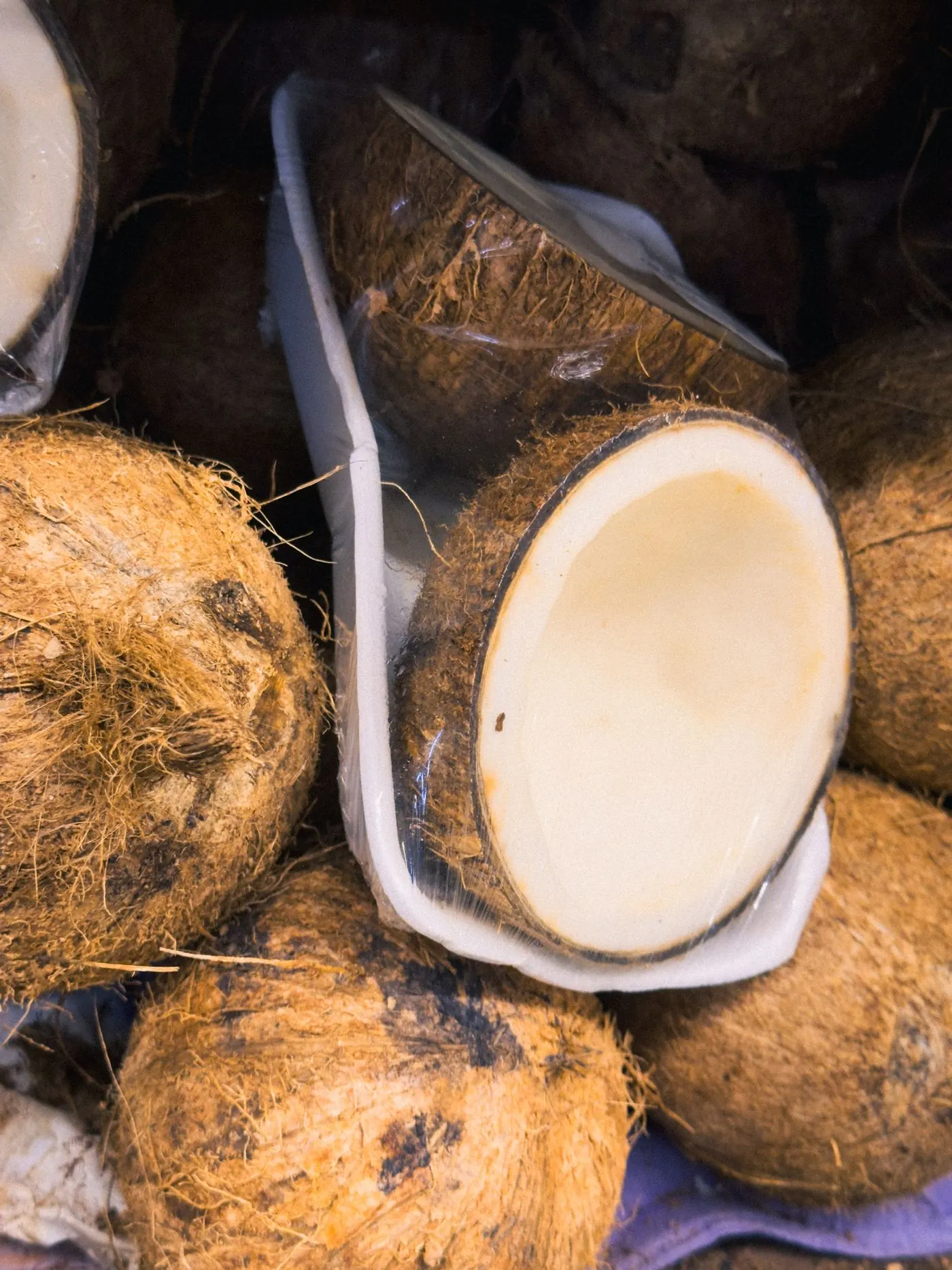
VCO is extracted from fresh coconut meat (not copra) using cold-pressing or wet-milling methods, without high heat or chemical processing. This preserves the natural coconut aroma, flavor, and a higher retention of antioxidants and medium-chain fatty acids. RBD coconut oil starts from dried copra, and goes through refining, bleaching, and deodorizing steps that strip out the coconut flavor and aroma entirely, producing a neutral, flavorless, colorless oil with a longer shelf life and lower production cost.
Which buyers need which
- VCO: cosmetics and personal care brands, premium food brands marketing on coconut flavor/aroma, health-food and supplement channels, artisanal or clean-label food manufacturing
- RBD: high-volume food manufacturing (frying oils, confectionery fat, non-dairy creamer bases) where a neutral flavor is required, cosmetics requiring an odorless carrier oil, and any application where cost-per-ton matters more than aroma retention
The specification mistakes that cause disputes
- Ordering "coconut oil" without specifying VCO or RBD — the supplier will quote whichever is their standard line, which may not match your application
- Assuming VCO implies organic — the two certifications are independent; VCO can be conventional or organic, and buyers should specify both separately if both matter
- Not specifying lauric acid content and free fatty acid (FFA) percentage — these vary by processing method and matter directly for cosmetics formulation and food-grade applications
What to put in your PO
- Explicit product type: "Virgin Coconut Oil, cold-pressed" or "RBD Coconut Oil, deodorized" — not just "coconut oil"
- FFA percentage ceiling and lauric acid content specification
- Organic certification status, specified independently of VCO/RBD grade
- Packaging (drum, flexitank, jerry can) matched to your receiving and storage capability
Working with Nusawara
Nusawara supplies both VCO and RBD coconut oil from audited processing partners, with FFA and lauric acid content documented per lot — buyers specify exactly which grade their application requires rather than receiving whichever is easiest for the supplier to fulfill.