Every new buyer asks the same question sooner or later: full container or shared? The honest answer is that the decision has less to do with your budget than with what, exactly, you're shipping — and for food-grade commodities specifically, it has real quality implications most freight guides don't mention.
FCL — Full Container Load
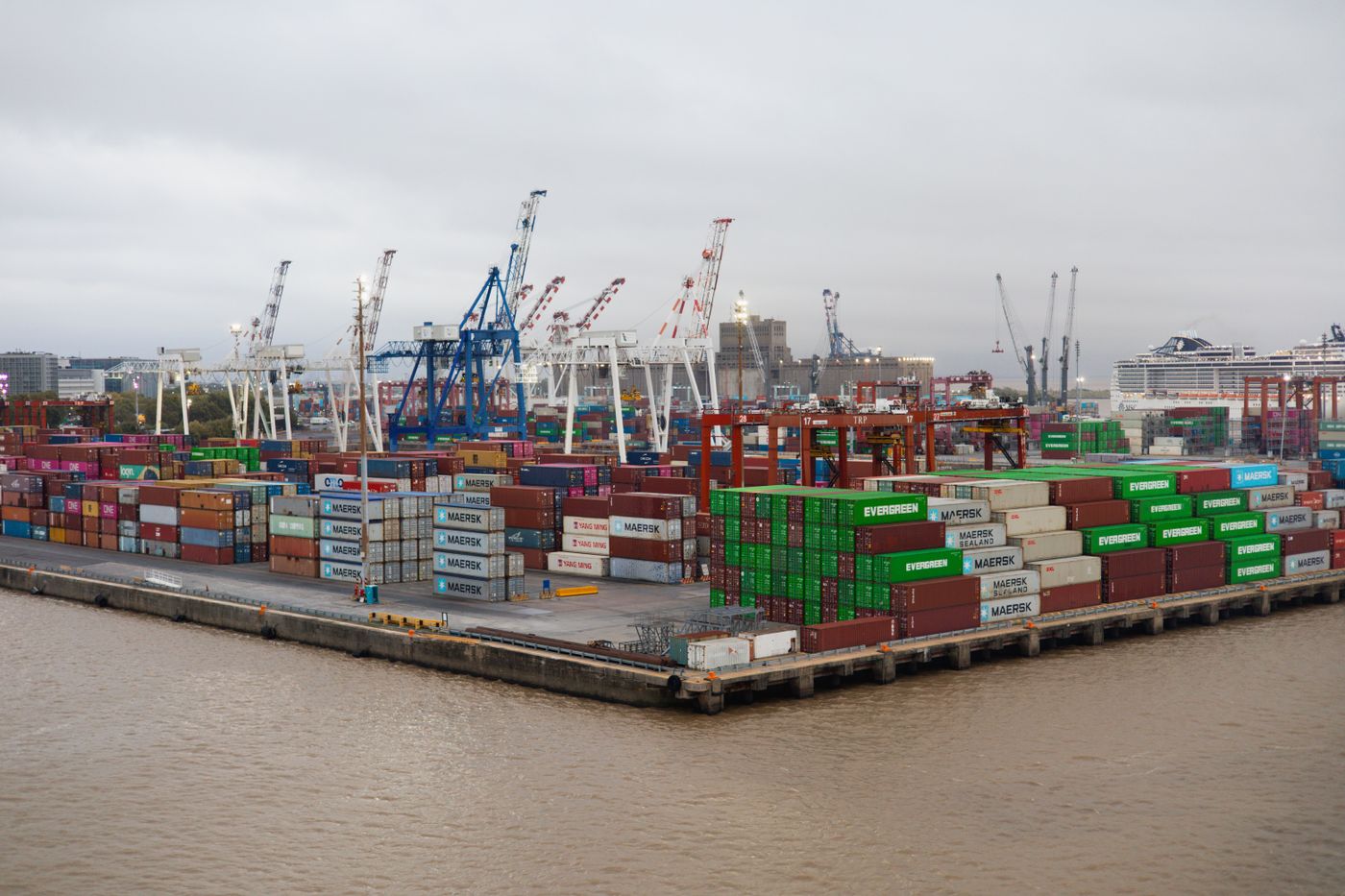
You book the entire container — 20ft (roughly 25-28 MT for dense commodities) or 40ft — exclusively for your cargo. Nobody else's goods share the space, the container isn't opened until it reaches you, and there's no handling or repacking between our warehouse and your dock. For most of our regular spice and coffee buyers ordering 500kg or more per SKU, FCL is both cheaper per kilogram and lower-risk.
LCL — Less than Container Load
Your goods share a container with other shippers' cargo, consolidated at a freight forwarder's container freight station (CFS) at origin and deconsolidated at destination. LCL makes sense when your order volume doesn't justify a full container — a boutique roaster testing a new single-origin lot, or a specialty retailer ordering a curated mix of five or six spices at 100-200kg each.
The freight guides talk about LCL purely as a cost decision. For food cargo, it's also a quality decision. We've seen LCL shipments arrive with moisture taint or odour transfer because a consolidator loaded spices next to something they shouldn't have been near. We only use CFS partners with food-grade segregation protocols, and we say so on the booking — ask your forwarder the same question if you're consolidating through someone else.
— Aditya Nugraha, Compliance & Documentation Lead
The real cost comparison
LCL is priced per cubic metre (CBM) or per tonne, whichever is greater — typically $45-75/CBM on major Indonesia-to-Europe and Indonesia-to-US lanes, plus CFS handling fees at both ends that FCL doesn't incur. FCL is priced as a flat container rate regardless of how full it is. The crossover point where FCL becomes cheaper per kilogram is usually around 12-15 CBM of cargo — for reference, a 20ft container holds about 28 CBM, so you don't need to fill it to make FCL the better economic choice.
Our recommendation by order size
- Under 300kg or first trial order — LCL, accept the slightly higher per-kg cost for lower commitment
- 300kg – 2,000kg across 1-3 SKUs — compare both; often close to the crossover point
- Over 2,000kg or multiple SKUs at volume — FCL, both cheaper and lower quality risk
- Moisture-sensitive or high-value cargo at any volume — FCL if the numbers allow it, or confirm food-grade CFS segregation in writing if LCL is your only option
We quote both options on every proforma invoice above 300kg so you can compare the real landed cost side by side rather than guessing.