Between 2000 and 2016, Indonesia's rattan industry nearly collapsed. Global demand halved, cooperatives closed, and thousands of weavers migrated to city jobs. In 2025, a quiet renaissance is underway — driven by a new generation of design-led furniture brands, and by cooperatives that finally understand global export.
The near-death of rattan
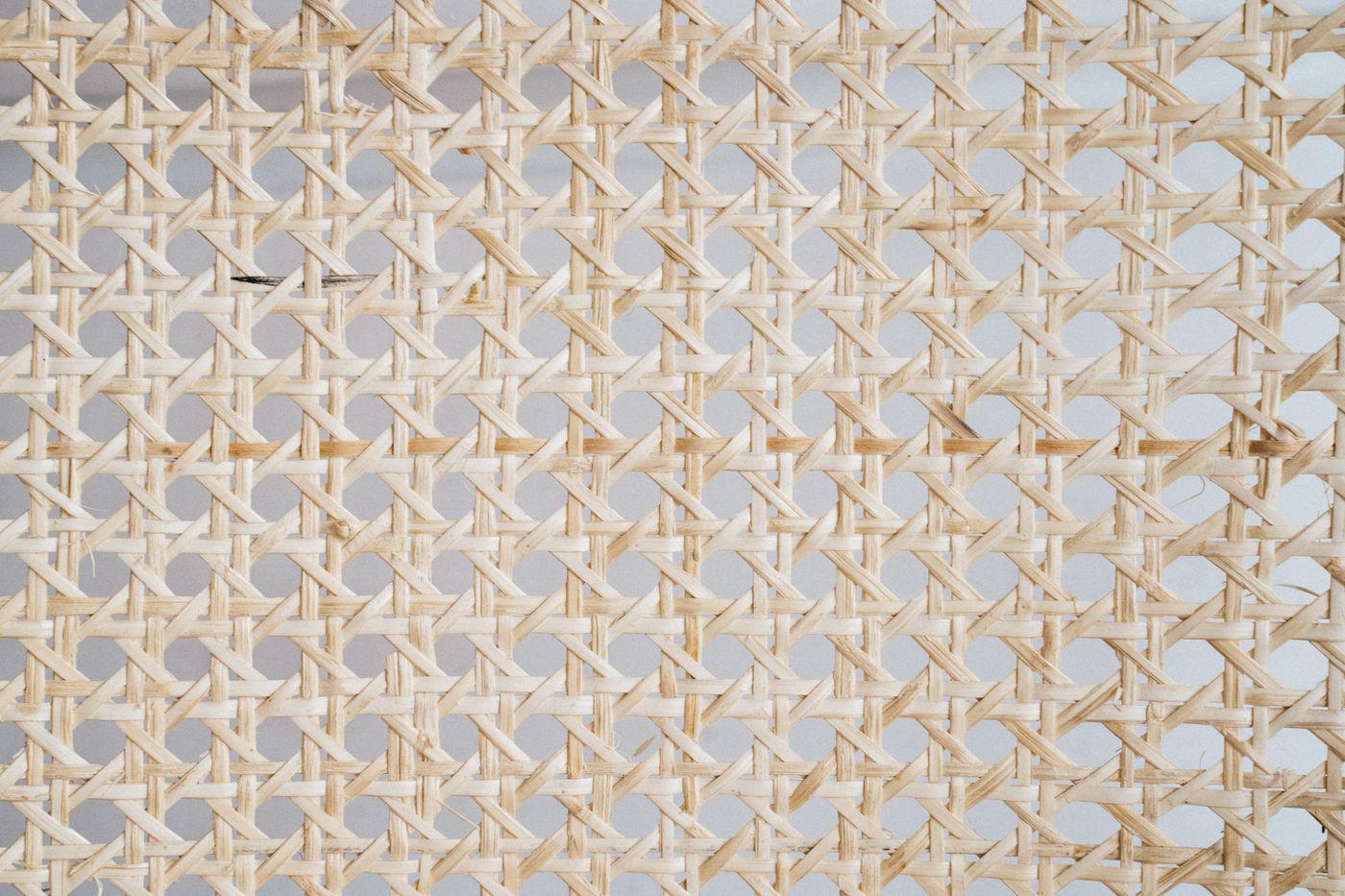
Rattan — the climbing palms that grow across Indonesia's tropical forests — has been woven into furniture, baskets, and household objects for over a thousand years. The country produces roughly 80% of the world's raw rattan. But between 2000 and 2016, three forces devastated the industry: raw material export bans that shifted competitive advantage, cheap synthetic wicker from China, and a shift in Western design tastes away from natural fibres.
In Cirebon — Indonesia's largest rattan production hub — the number of active workshops fell from over 2,000 in 1998 to under 400 by 2015. The average weaver's age climbed to 54. Young people simply didn't see a future in it.
For many weavers who stayed in the trade through the worst years, the shift began around 2019, when design-led furniture brands from Europe started visiting Cirebon villages directly — a stark change from the previous decades of buying through layers of middlemen.
What changed
Three shifts, layered over five years, brought rattan back.
- Global consumer preference for natural, sustainable materials over plastic wicker
- Design-led brands (Ferm Living, Nature Squared, House Doctor, HAY) willing to pay artisan wages for authentic craft
- Cooperative digitisation — WhatsApp-based order coordination, direct designer feedback, upfront material financing
Nusawara began working with Cirebon cooperatives in 2020. Our first customer was a Danish home-goods brand who ordered 400 units of a single lounge chair design — but paid 60% up front, allowing the cooperative to secure raw material without traditional middlemen.
What global buyers should know
For furniture brands and buyers considering Indonesian rattan for their 2026 collections, three practical points.
- Rattan is not lumber — it flexes and settles for 8-12 weeks after weaving. Order timing matters.
- SVLK certification (verified legal timber sourcing) is now standard and required for most EU imports.
- The best cooperatives will now co-develop designs with your team. Bring sketches; leave with prototypes in 3 weeks.
The next chapter
A new generation of weavers under 30 — many of them women — is starting to enter the trade again in Cirebon, drawn back by export demand that finally makes the craft worth learning.
The craft is not dying. It's being rediscovered.