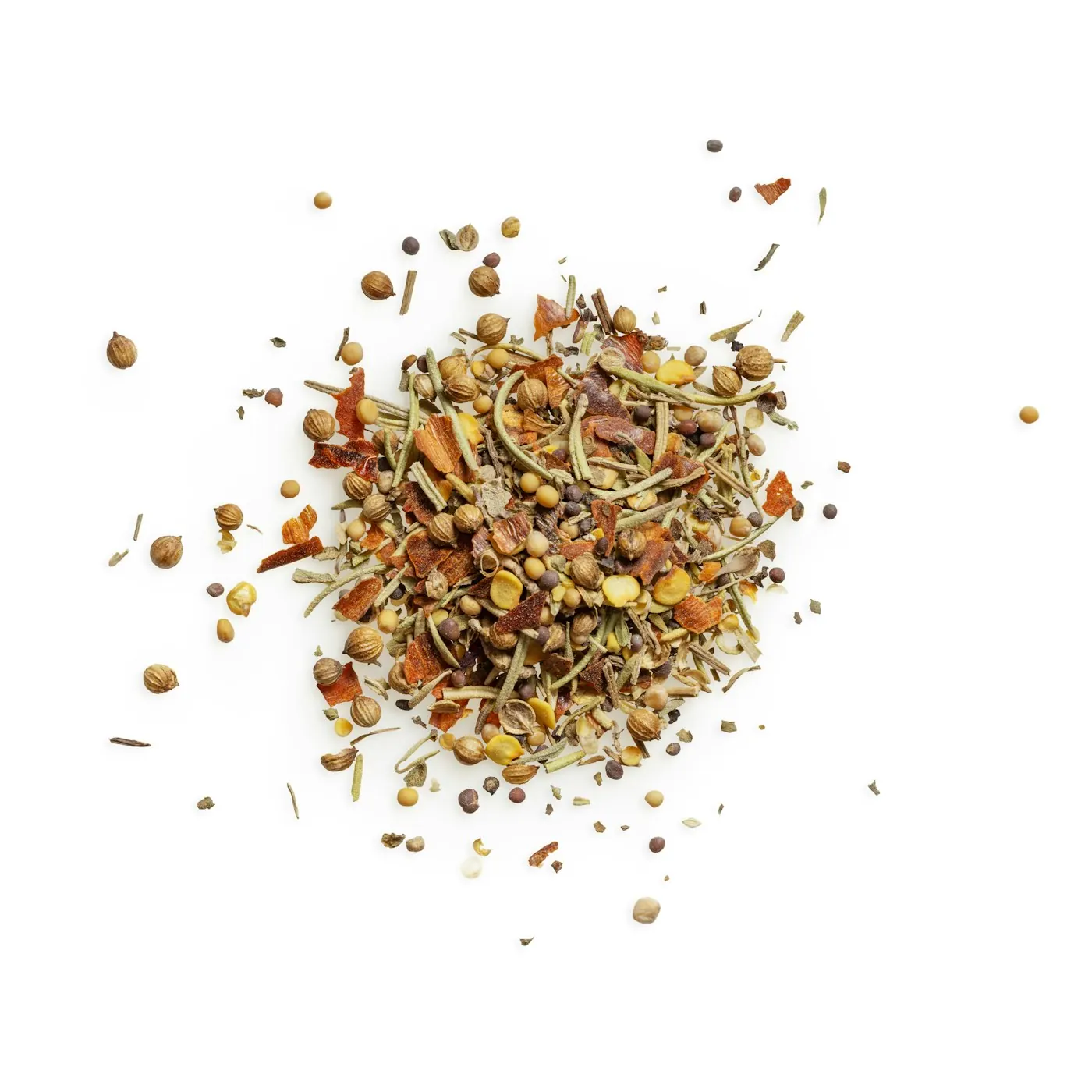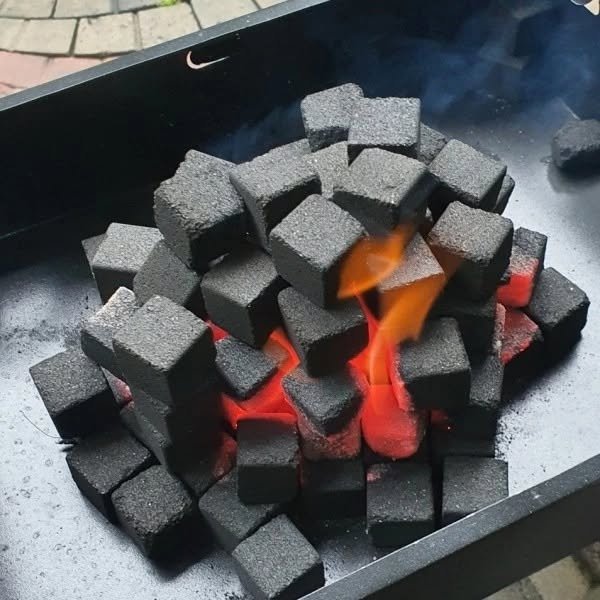
Coconut shell arrives at a briquette producer as waste — hard, fibrous, and useless in that form to almost any buyer. Four processing stages turn it into a packaged export product, and the corners a producer cuts at each stage show up later as ash, crumbling, or an uneven burn in the buyer's hands.
Stage 1 — Carbonization
Whole or crushed coconut shell is burned in a low-oxygen kiln or drum, driving off moisture and volatile compounds while leaving behind carbonized shell char. This step alone determines much of the final fixed-carbon and ash content — an inconsistent kiln temperature produces char with variable quality even from the same batch of raw shell.
Stage 2 — Crushing and sizing
Carbonized shell is crushed into a fine powder and screened for a consistent particle size. Uneven particle sizing at this stage is one of the most common causes of an inconsistent finished briquette — larger particles bind less evenly, leaving weak points that crumble in transit or during use.
Stage 3 — Binding and pressing
The sized char powder is mixed with a natural binder — tapioca or cassava starch is standard for food-safe, low-odor combustion — then pressed under high pressure into the target shape: cube, hexagonal, pillow, or finger, depending on the buyer's end use. Binder ratio is a direct trade-off: too little and the briquette crumbles; too much and it raises ash content and can leave a starchy smell on ignition.
Stage 4 — Drying and quality sorting
Pressed briquette still carries significant moisture and must be dried — in an oven or, more commonly for cost reasons, by sun-drying over several days — down to a target moisture of roughly 8% or lower before packing. A final sorting pass removes cracked or undersized pieces before cartoning, since even a small proportion of broken briquette generates fines that reduce the overall burn quality of a packed case.
Why this matters to how Nusawara is building this line
Nusawara's coconut charcoal briquette line starts from the shell byproduct of our existing coconut oil and desiccated coconut supply chain, which means we're building processing-partner relationships around producers who can hold consistent carbonization and drying quality — not just the lowest quote — because inconsistency at any one of these four stages is what buyers actually notice first.
Read where this export line stands today