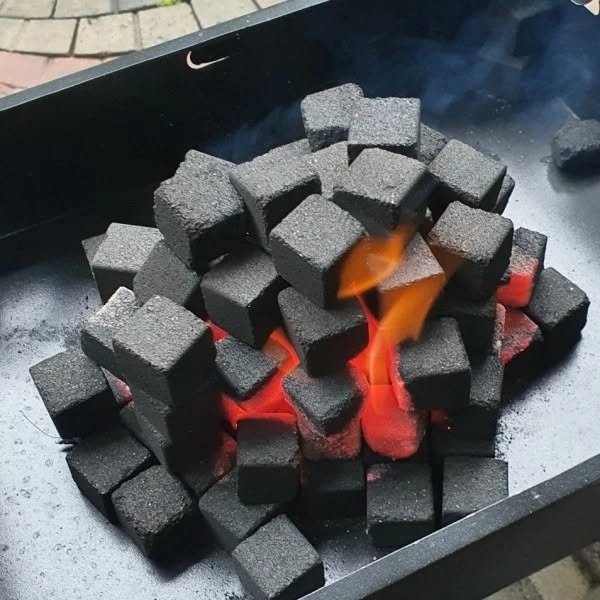
"Premium," "export-grade," and "100% coconut shell" appear on charcoal briquette listings from suppliers who can't produce a specification sheet, a factory address, or a sample lot when asked. Because briquette quality genuinely varies batch to batch and isn't visible from a product photo, the supplier vetting process matters more here than for most commodities.
Ask for the specification sheet before the price list
A legitimate producer can hand over calorific value, ash content, fixed carbon, and moisture figures without hesitation, usually backed by a lab test from the current production run rather than a generic document reused across every inquiry. A supplier who leads with price and shape options but stalls on specs is telling you something about how closely they're actually measuring their own output.
Verify the raw material claim
- Ask specifically whether the shell is 100% coconut, or blended with other biomass — blends aren't automatically bad, but they should be disclosed and priced accordingly
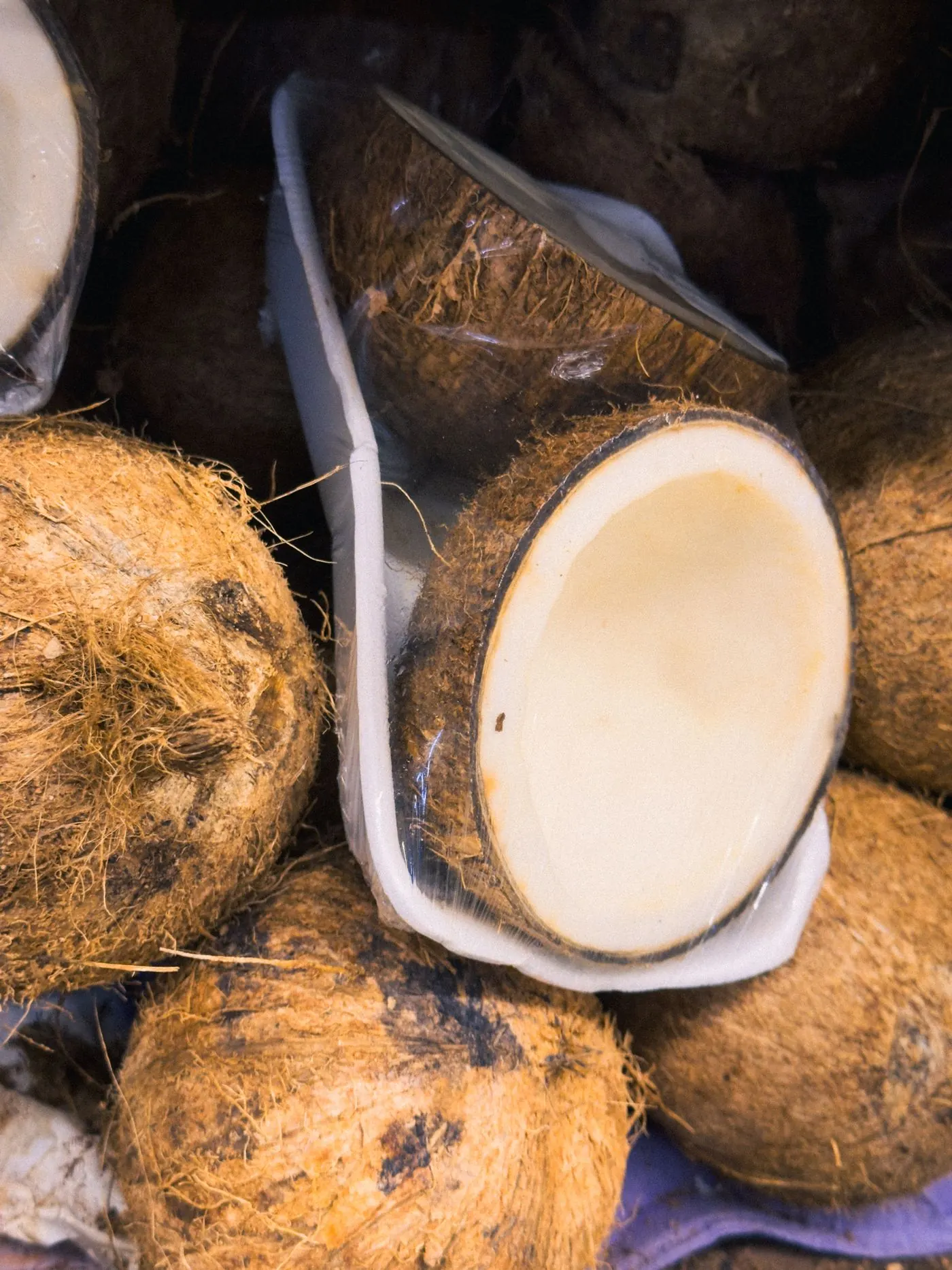
- Request photos or video of the raw shell stockpile and the carbonization kiln, not just the finished, packaged product
- Ask which coconut-growing regions supply the shell — a supplier who can't name a region is more likely buying finished char from a broker, not producing it
Request a pre-shipment sample, not just a marketing sample
A sample sent for a trade show or cold outreach is often hand-picked from the best output the factory has ever produced. A pre-shipment sample — pulled from the actual lot destined for your order — is the only sample that tells you what you're really receiving. This distinction matters more for briquette than most goods because burn consistency, not appearance, is what a shisha lounge or grill retailer's customer actually experiences.
Watch for red flags in communication, not just documents
- Reluctance to schedule a video call showing the actual production floor
- Prices significantly below the rest of the market with no explanation for the gap (binder ratio and raw material sourcing are the two levers that actually move cost)
- No clear answer on HS code classification or export documentation experience for your destination country
Where honesty about product stage matters too
The flip side of supplier vetting is transparency about a line's actual maturity — a producer who's upfront that a product is newly developed and still confirming specs with early buyers, rather than presenting an unproven line as an established one, is generally the safer long-term partner even if it means a slower start.
See Nusawara's coconut charcoal briquette line