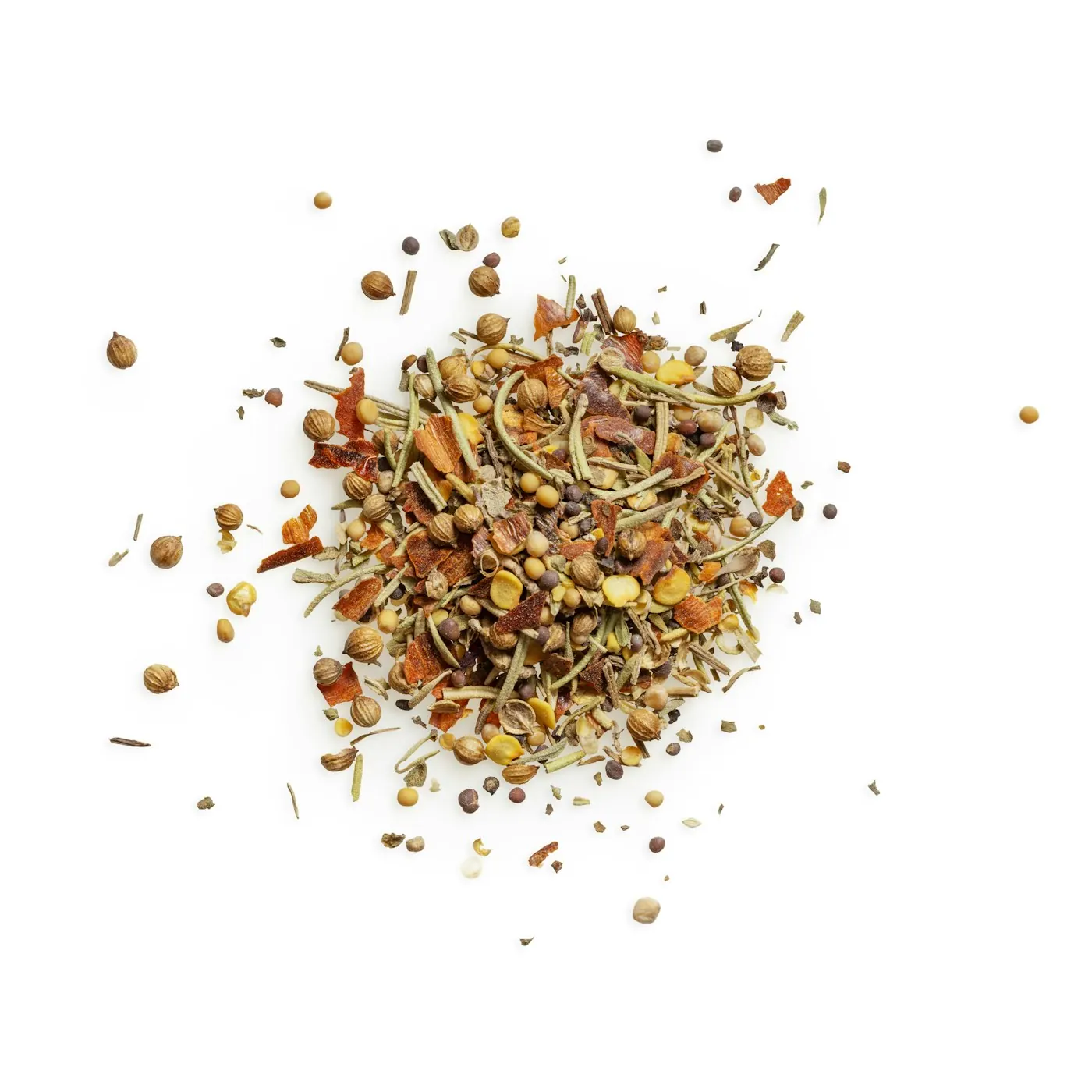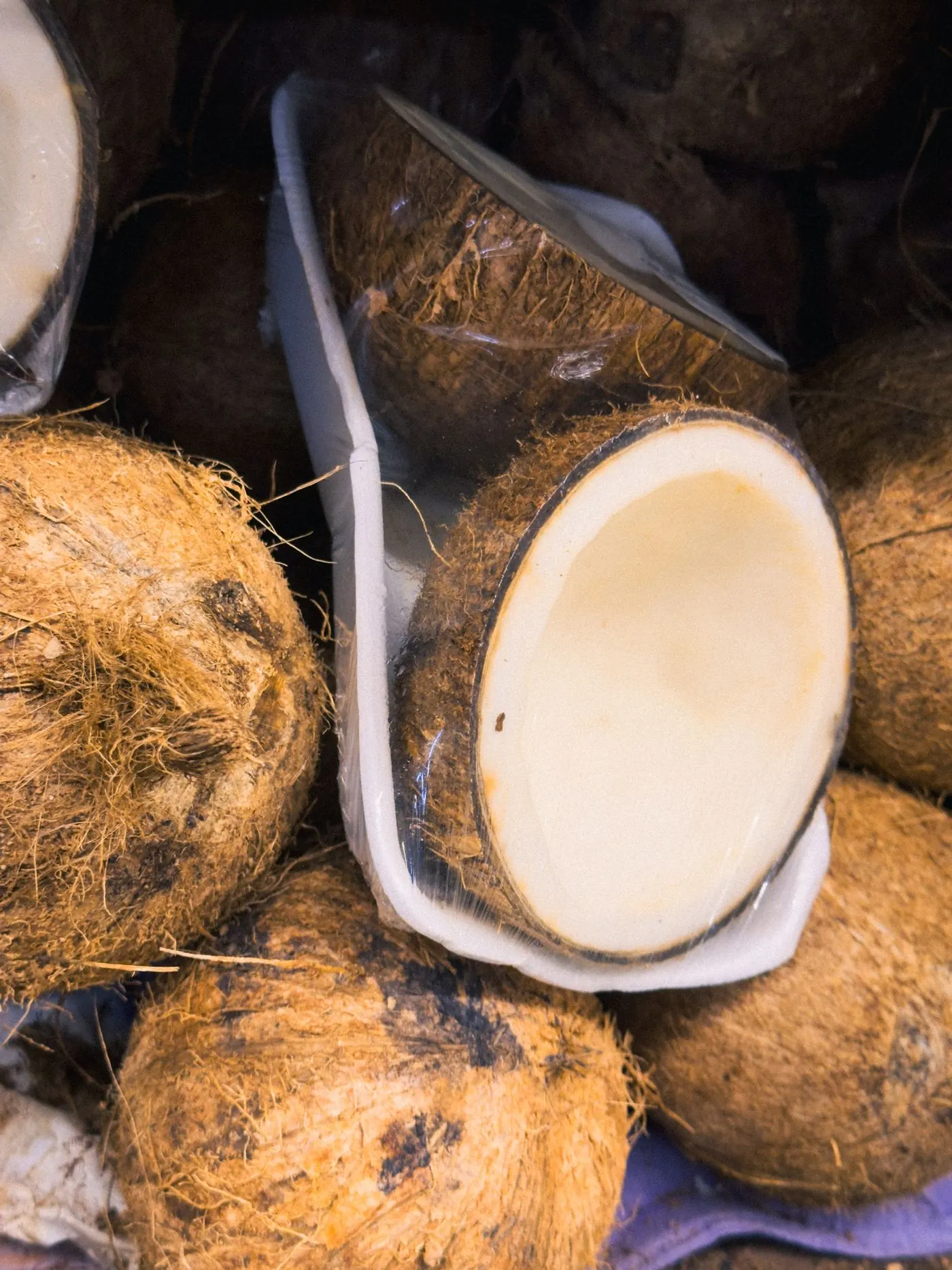
Coconut sugar is one of the few export commodities where a single spec — moisture content — determines almost everything about how a shipment performs after it leaves port. Get it wrong by even a percentage point, and granulated sugar that left Indonesia as free-flowing crystals arrives at destination as a solid, clumped block, sometimes with mold growth if the voyage runs long and humid.
Why moisture is the make-or-break spec
Coconut sugar is hygroscopic — it absorbs ambient moisture readily, especially during humid tropical processing and shipping conditions. Export-grade granulated coconut sugar should test at 2-3% moisture content at the point of packing. Above roughly 3.5%, the sugar becomes prone to clumping in transit; above 5%, mold risk rises sharply, particularly on longer sea-freight routes through humid climates.
- 2-3% moisture: stable, free-flowing, standard export grade
- 3.5-5%: acceptable for short transit windows, clumping risk on longer routes
- Above 5%: high mold risk, not recommended for container shipment
What actually causes moisture problems
Most moisture-related rejections trace back to one of three causes: incomplete drying at the processing stage, inadequate packaging (standard PP bags without a moisture barrier in humid transit conditions), or container condensation from temperature swings between origin and destination climate. The packaging fix is usually cheaper than the processing fix — a foil-lined or moisture-barrier bag adds a small per-unit cost but prevents the far larger cost of a rejected container.
What to specify in your purchase order
- Moisture content ceiling explicitly — "2.5% max, tested per lot" rather than assuming a standard
- Packaging with moisture barrier — foil-lined bags or vacuum-sealed units for humid-climate destinations
- Certificate of Analysis per lot, not per supplier relationship — moisture varies batch to batch depending on drying conditions on the day
- Desiccant inclusion for long-transit container loads
Working with Nusawara
Nusawara supplies granulated coconut sugar tested and documented per lot before it leaves port, with packaging specified to the destination climate rather than a one-size-fits-all default. Full specs are available through the agricultural commodities page.