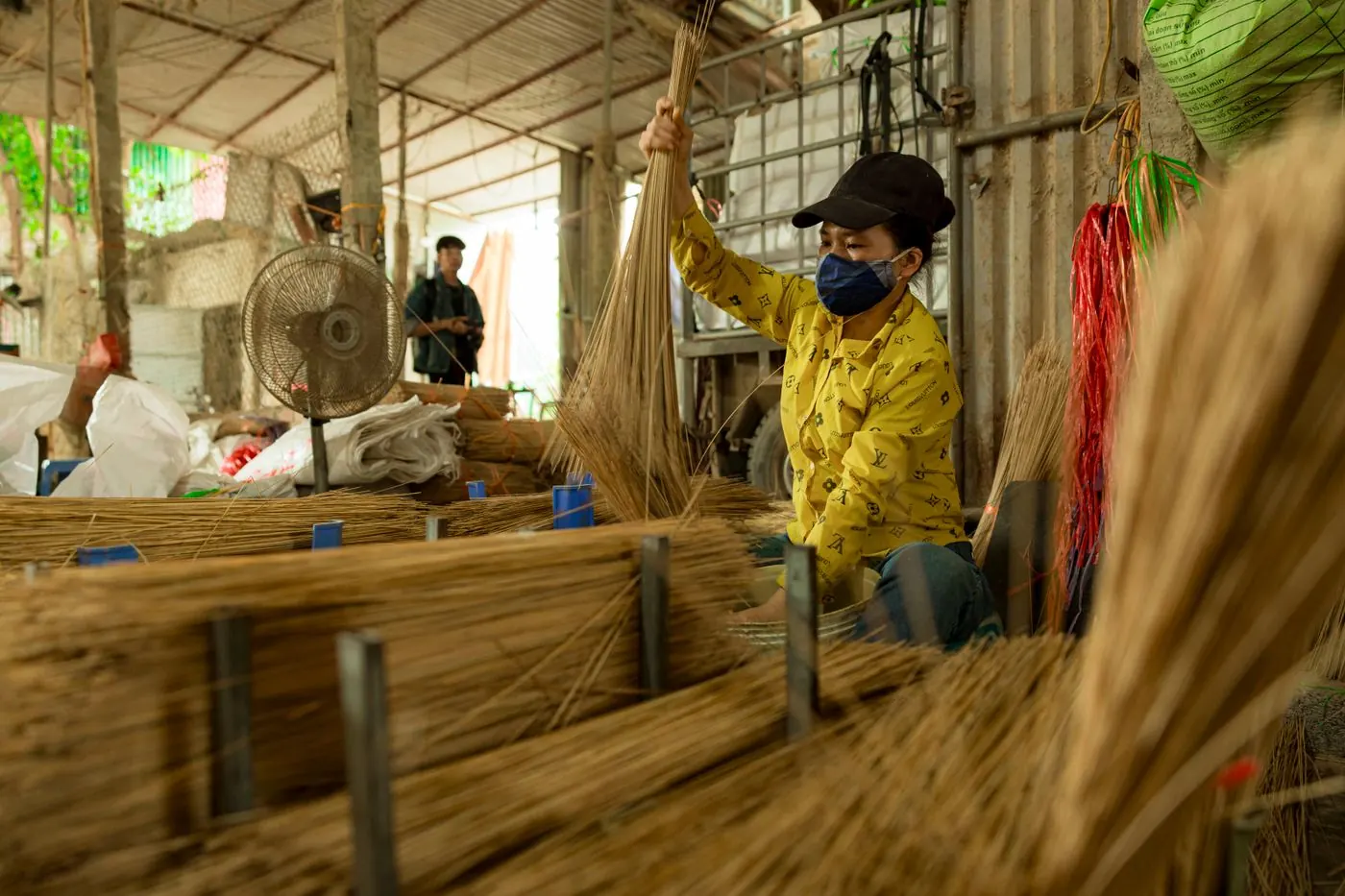
Lidi — the dried midrib of the coconut palm leaf — has been the raw material for Indonesia's traditional woven besom brooms (sapu lidi) for generations. It's a byproduct in the truest sense: coconut leaves are harvested primarily for thatch, weaving fiber, or simply to manage the palm, and the rigid central rib left after the leaflets are stripped away is what becomes lidi. For a long time, most of it was burned or discarded. That's changing.
From Farm Waste to Export Category
As natural-fiber and eco-friendly household goods have grown as a category internationally, demand for lidi has extended beyond its traditional broom-making role into craft manufacturing — decorative weaving, natural packaging accents, and artisan goods that trade on being genuinely plant-derived rather than synthetic. Because it's a byproduct of coconut-growing regions that already supply desiccated coconut, coconut cream, and coconut oil, sourcing it doesn't require establishing a new farming relationship — it uses a material stream that the same cooperatives were previously discarding.
What Determines Grade
- Length and straightness — longer, straighter ribs suit traditional broom-making better and command a premium
- Flexibility — craft applications that involve weaving or bending need a different flex profile than rigid broom-handle use
- Moisture content — improperly dried lidi becomes brittle in transit or develops mold; consistent drying is the main quality-control variable
- Bundle uniformity — for broom manufacturers, consistent diameter across a bundle affects how evenly a finished broom sweeps
What Buyers Should Specify
Lidi is typically traded under HS 1401.90 (vegetable materials used primarily for plaiting), packed either as bundled ties (around 1 kg each) for craft-scale buyers or bulk bales for broom manufacturers ordering at volume. Buyers should specify grade (broom vs. craft), moisture tolerance, and bundle size explicitly — this is a raw agricultural byproduct, not a standardized manufactured good, so specification discipline matters more than it would for a finished product.
Why This Matters Beyond One Product Line
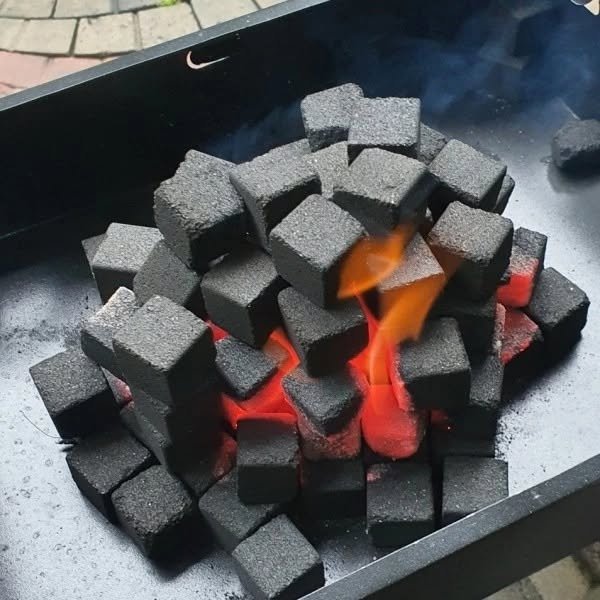
Lidi is a useful example of a broader pattern in Indonesian coconut exports: the same cooperative network that supplies desiccated coconut, coconut cream, and coconut oil is increasingly being used end-to-end, with byproducts like lidi and coconut-shell charcoal briquette turning what used to be farm waste into additional, exportable value — without adding new suppliers to an already-audited chain.
Working With Nusawara
Nusawara supplies bundled, moisture-controlled lidi sorted by length and flexibility grade, sourced from the same coconut-growing regions that supply our other coconut products, to buyers across South Asia, the Middle East, and natural-fiber craft importers worldwide. Full specs — HS code, packaging, minimum order — are on the coconut lidi page.