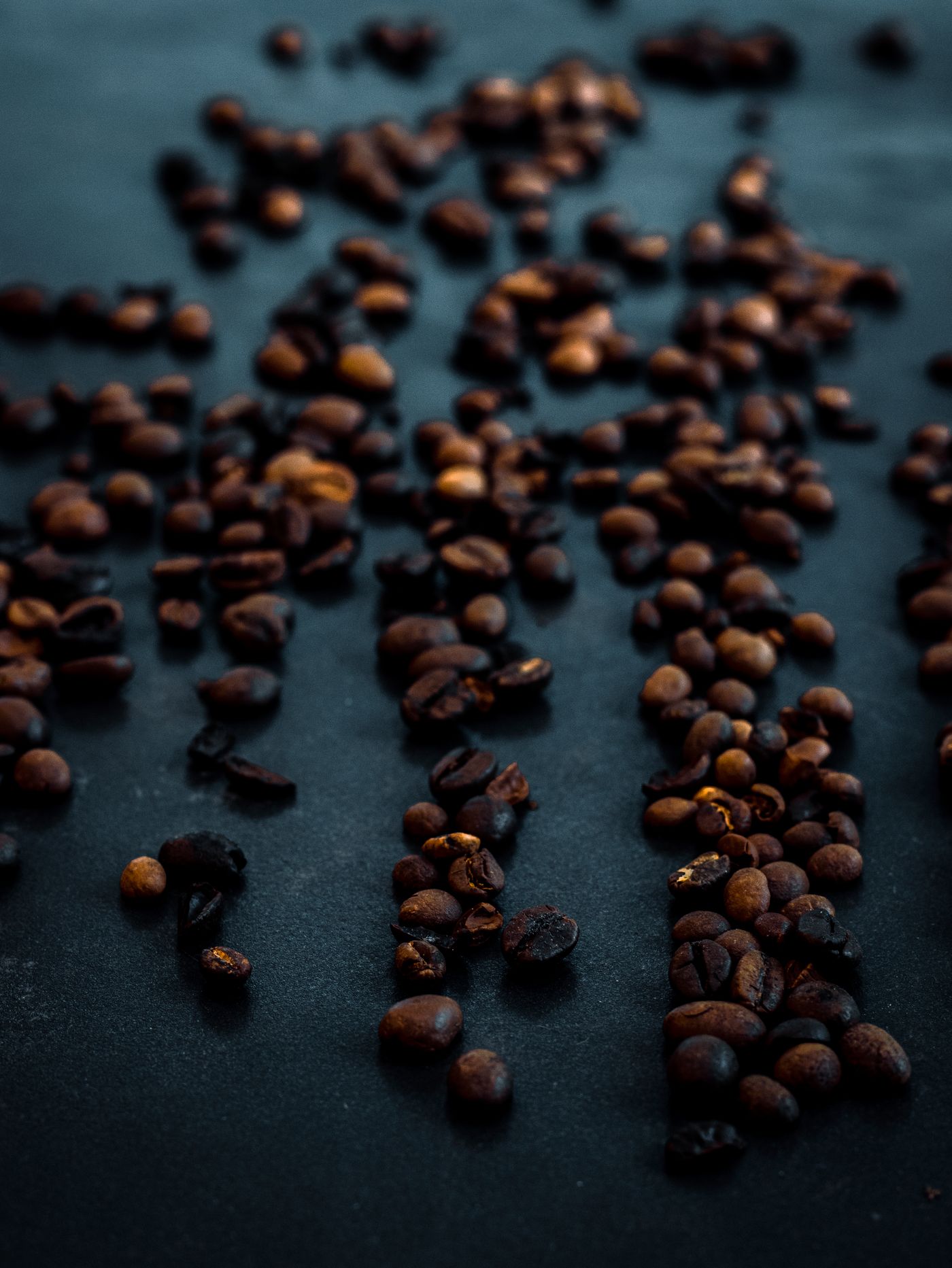
The 2025 Sumatran arabica harvest will be remembered by cuppers, not by traders. Volumes are down 12% year-on-year — but the beans that made it through are among the best we've cupped in a decade.
The road to Takengon
Our field visit began at 4:30 am on a Wednesday, boarding a small propeller aircraft from Kuala Namu International to the Takengon highlands of Aceh. Takengon sits at 1,200 metres above sea level, wrapped around Lake Laut Tawar, and grows some of the finest Gayo arabica in Indonesia. The cooperatives here have supplied Nusawara since 2014.
We had come to see the effects of an unusually dry El Niño-influenced dry season that stretched from May through September. Farmers we spoke with — Pak Sabri, Ibu Rosmah, and the Kopi Gayo Mandiri collective — all reported the same pattern: fewer cherries per branch, but slower ripening, greater sugar accumulation, and remarkably clean acidity.
The tree looked stressed, but the cherry tasted like an heirloom apple. We knew this would be a special year.
— Pak Sabri, Bandar Baru Cooperative
What the numbers show
Aggregate 2025 production data from BPS Aceh points to roughly 47,000 metric tons of arabica versus 53,500 tons in 2024 — a 12.1% contraction. But quality metrics tell a different story.
- Average SCA cup score: 85.4 (vs 83.1 in 2024)
- Density: 810 g/L (vs 780 g/L in 2024)
- Defect rate at pre-export screening: 3.2% (vs 5.8% in 2024)
- Moisture at export: 11.4% (well within 12% ceiling)
For specialty roasters, this is the kind of harvest to lock in early. Prices at origin have already firmed roughly 8-14% depending on grade, and secondary buyers are entering the market late. If you're waiting for prices to drop before you commit to your 2026 program, we suggest not waiting.
Micro-lots we're watching
Three farms in particular have caught our sensory team's attention this year. The Kopi Kalosi Bajawa micro-lot from Flores (not technically Sumatran but harvested in parallel) is showing a jasmine-and-white-peach profile at natural process. The Bener Meriah wet-hulled from Central Aceh is delivering a syrupy body with cocoa nib finish that we haven't tasted since 2017.
The third — a small experimental honey-process from a cooperative near Sidikalang — is one of the most unusual coffees to ever come out of Sumatra. We're releasing sample tins to five specialty roasters for their spring 2026 blends.
What this means for buyers
For coffee importers, three practical recommendations.
- Lock in Q1 2026 volumes now. Prices at origin will not soften. Secondary buyers entering late will pay 15–20% more.
- Consider paying for cup scores. Nusawara provides third-party SCA cupping certificates at cost — a small investment that unlocks premium retail positioning.
- Ask about direct-trade micro-lots. Even 500 kg of a well-scored micro-lot can transform a specialty roaster's brand narrative.
Field notes
The people of Aceh have been growing arabica since the 1920s. What still surprises us — after ten years of visits — is how much the farmers themselves care about the final cup. Ibu Rosmah, who has 1,400 trees at 1,350 metres, asked us to send back cupping notes from the roasters we sold her lot to. "So I know what they tasted," she said. We will.
If you'd like to receive our January 2026 origin-report — with cupping scores, farmer profiles, and pricing bands per grade — subscribe to the Nusawara Trade Signals newsletter below.