Between 2000 and 2016, Indonesia's rattan industry nearly collapsed. Global demand halved, cooperatives closed, and thousands of weavers migrated to city jobs. In 2025, a quiet renaissance is underway — driven by a new generation of design-led furniture brands, and by cooperatives that finally understand global export.
The near-death of rattan
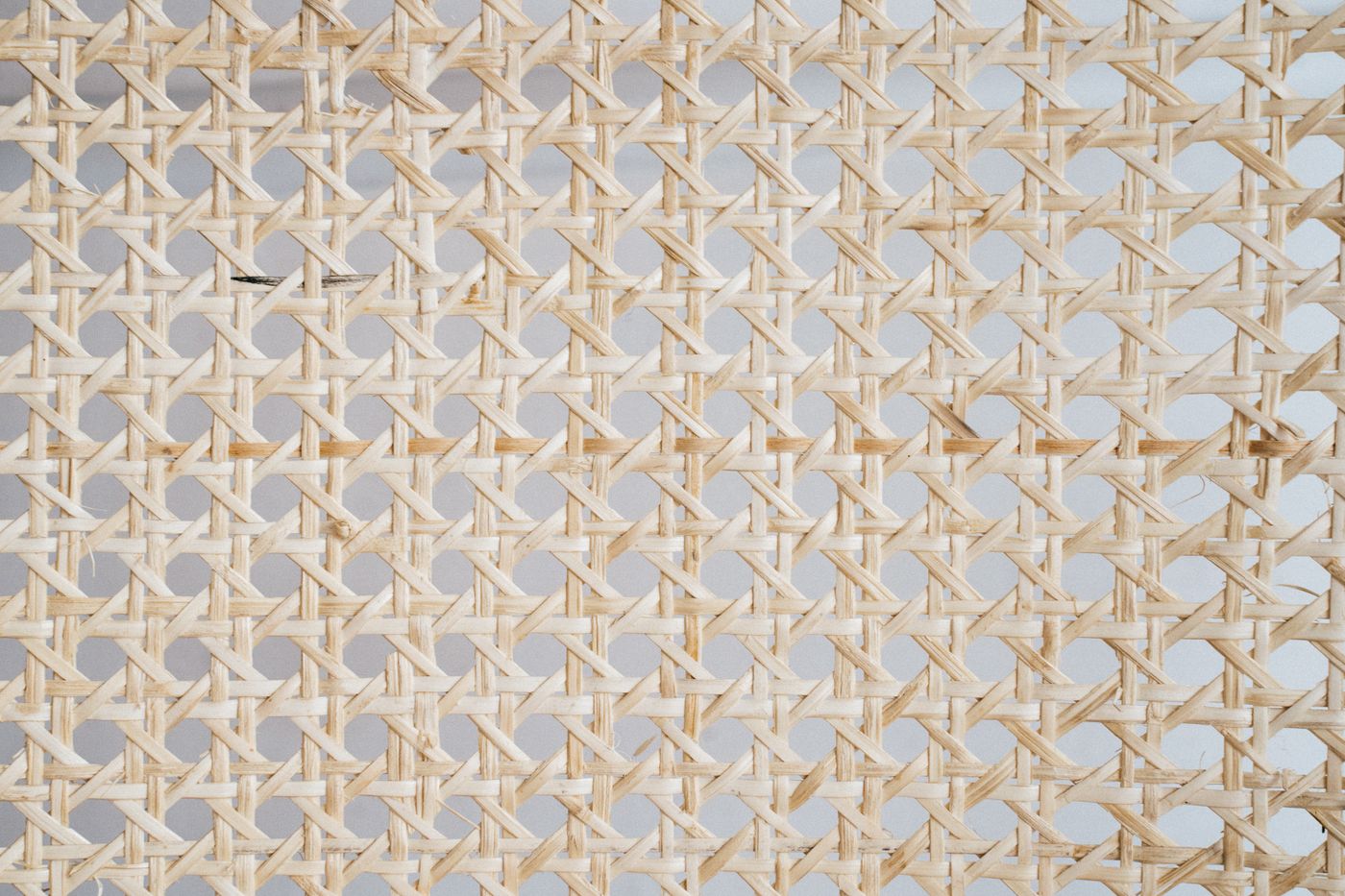
Rattan — the climbing palms that grow across Indonesia's tropical forests — has been woven into furniture, baskets, and household objects for over a thousand years. The country produces roughly 80% of the world's raw rattan. But between 2000 and 2016, three forces devastated the industry: raw material export bans that shifted competitive advantage, cheap synthetic wicker from China, and a shift in Western design tastes away from natural fibres.
In Cirebon — Indonesia's largest rattan production hub — the number of active workshops fell from over 2,000 in 1998 to under 400 by 2015. The average weaver's age climbed to 54. Young people simply didn't see a future in it.
My father told me not to learn the craft. There was no money in it. Then in 2019 a brand from Copenhagen visited our village.
— Ibu Kartika, weaver at Rattan Rimba Cooperative
What changed
Three shifts, layered over five years, brought rattan back.
- Global consumer preference for natural, sustainable materials over plastic wicker
- Design-led brands (Ferm Living, Nature Squared, House Doctor, HAY) willing to pay artisan wages for authentic craft
- Cooperative digitisation — WhatsApp-based order coordination, direct designer feedback, upfront material financing
Nusawara began working with Cirebon cooperatives in 2020. Our first customer was a Danish home-goods brand who ordered 400 units of a single lounge chair design — but paid 60% up front, allowing the cooperative to secure raw material without traditional middlemen.
What global buyers should know
For furniture brands and buyers considering Indonesian rattan for their 2026 collections, three practical points.
- Rattan is not lumber — it flexes and settles for 8-12 weeks after weaving. Order timing matters.
- SVLK certification (verified legal timber sourcing) is now standard and required for most EU imports.
- The best cooperatives will now co-develop designs with your team. Bring sketches; leave with prototypes in 3 weeks.
The next chapter
In 2025, Nusawara is running an artisan mentorship program with three Cirebon cooperatives — training a new generation of weavers under 30. Six months in, we have 47 apprentices, most of them women in their early 20s. Ibu Kartika's daughter is one of them.
The craft is not dying. It's being rediscovered.