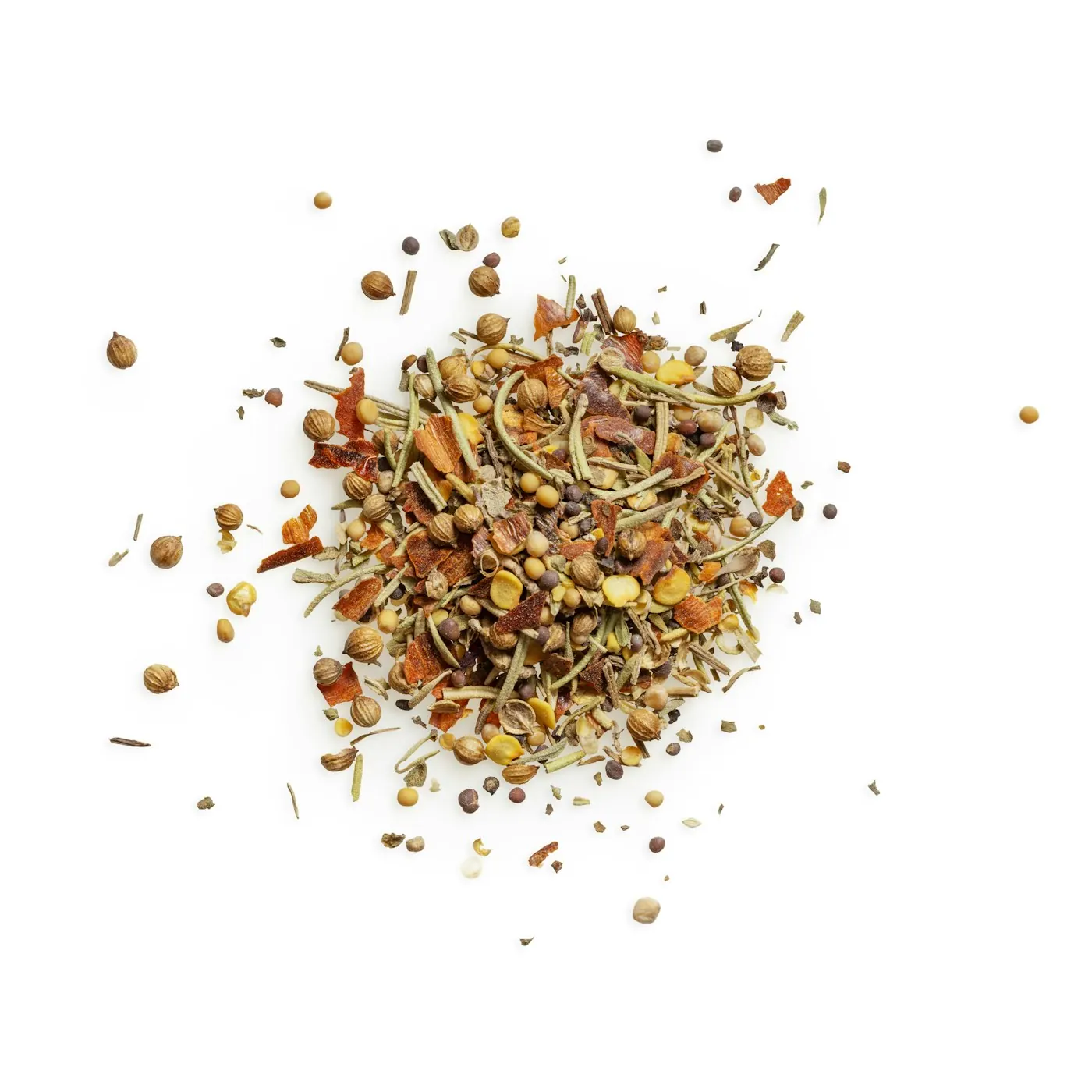
Indonesia's tropical biodiversity has fed traditional jamu medicine for centuries, and today the same botanicals — kratom, moringa, temulawak, and sambiloto among them — supply a global nutraceutical and supplement industry worth billions. But this is one product category where regulatory homework matters more than almost any other: what's a routine import in one country can be a controlled or banned substance in the next.
The botanicals buyers ask for most
- Moringa (Moringa oleifera) — leaf powder and extract, widely accepted globally as a nutritional supplement ingredient with minimal regulatory friction
- Temulawak (Javanese turmeric, Curcuma xanthorrhiza) — a jamu staple, growing demand from herbal-supplement brands for its curcuminoid content
- Sambiloto (Andrographis paniculata) — bitter herb used traditionally for immune support, increasingly studied and exported as standardized extract
- Kratom (Mitragyna speciosa) — the highest-demand and highest-regulatory-complexity item on this list, covered separately below
Kratom: Why This One Needs a Compliance Conversation First
Kratom's legal status is not uniform — it varies by country, and within some countries, by state or province. It remains unscheduled at the U.S. federal level but is restricted or banned in a handful of individual states and municipalities; several EU countries treat it as a controlled substance, while others permit it; some Asia-Pacific markets restrict it entirely. This is not a technicality — shipping kratom into a jurisdiction where it's restricted creates real legal exposure for both exporter and importer.
We don't quote kratom to a new buyer until we've confirmed their destination market's specific legal status. It's the one product where 'let's sort it out after the PO' isn't an option.
— Sri Wulandari, Nusawara Senior Sourcing Analyst
Practically, this means: before requesting a kratom quote, know your own country's (and if applicable, state or provincial) current legal status, and expect your supplier to ask about your intended end-use and destination market before confirming an order — a supplier who doesn't ask is a red flag, not a convenience.
What Quality Documentation Should Look Like
Regardless of which botanical you're sourcing, a serious herbal-extract exporter should provide:
- Certificate of Analysis per batch — active-compound content (e.g., curcuminoid % for temulawak), moisture, microbial testing
- GMP-audited facility documentation — not just a claim, but an auditable facility record
- BPOM registration status (Indonesia's food/drug authority) where applicable to the destination market
- Clear sourcing traceability — which growing region, which processing partner
Packaging and Shipping Considerations
Herbal extracts are moisture- and light-sensitive. Foil bags or fiber drums with moisture control are standard; buyers receiving powder-form extracts should confirm the packaging spec explicitly rather than assume standard commodity bagging is sufficient — degradation in transit is a common and avoidable quality complaint.
Working With Nusawara
Nusawara supplies moringa, temulawak, sambiloto, and other Indonesian botanicals to nutraceutical brands in the USA and EU and to traditional-medicine markets across Asia, with every batch processed in GMP-audited facilities and shipped with a Certificate of Analysis. For kratom specifically, we confirm your destination market's regulatory status with you before any quote — full specs are on the herbal & natural extracts page.
The buyers who source this category successfully are the ones who treat the compliance conversation as step one, not an afterthought.